


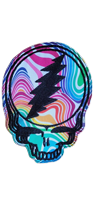



Discover the Art of Appliqué Embroidery with Flashtizer
Appliqué embroidery is a timeless decorative art form that combines fabric, design, and stitching techniques to create stunning patterns. The term “appliqué” comes from the French word meaning “to apply,” which perfectly describes the process—layering one piece of fabric onto another and securing it with precise stitching.
Renowned for its versatility, appliqué allows artists and hobbyists alike to experiment with different textures, colors, and shapes. Though centuries old, this craft remains in high demand today for enhancing clothing, home décor, and even personalized accessories.
Whether you’re embellishing a quilt, adding flair to a jacket, or designing one-of-a-kind home accents, appliqué brings traditional craftsmanship into the modern world—making it a beloved method for both practical and artistic projects.
At Flashtizer, we appreciate the heritage of appliqué embroidery and are proud to bring it into contemporary design. In this guide, we’ll explore the key types and techniques used in appliqué work.
Types of Appliqué Techniques
1. Raw Edge Appliqué
This quick and easy method involves attaching fabric pieces without folding the edges in first. It’s ideal for informal or decorative projects where a rustic, handmade charm is desired.
However, the exposed edges may fray over time, making this technique better suited for visual appeal rather than heavy use. At Flashtizer, we often recommend raw edge appliqué for quilts that need a warm, cottage-style touch.
2. Turned Edge Appliqué
For a clean and refined finish, turned edge appliqué involves folding the fabric edges inward before stitching. This technique is more time-consuming but produces polished results, ideal for heirloom projects or fine textiles.
It’s widely used in traditional quilts and other high-quality fabric art—and it’s a favorite among Flashtizer’s skilled artisans.
3. Fused Appliqué
Using a heat-sensitive adhesive, fused appliqué bonds fabric pieces to a base without pins or basting—making it perfect for beginners.
Once fused, the design can be sewn for extra durability and a more finished appearance. Flashtizer often uses this method for intricate or small designs where precision matters most.
4. Reverse Appliqué
In this creative technique, the base fabric is layered over the appliqué fabric. Then, sections of the top layer are cut away to reveal the fabric beneath, creating a layered, dimensional effect.
Reverse appliqué is frequently used in cultural or ethnic textiles, adding depth and visual interest. At Flashtizer, we love using this technique to add rich texture and storytelling to our designs.
Conclusion
Appliqué embroidery is more than just a technique—it’s a celebration of tradition, creativity, and craftsmanship. At Flashtizer, we’re passionate about helping our clients harness the power of appliqué to create meaningful, beautiful designs. Whether you’re a seasoned professional or just starting out, our expertise and dedication can help bring your vision to life—one stitch at a time.
1 Comment
admin
sdf